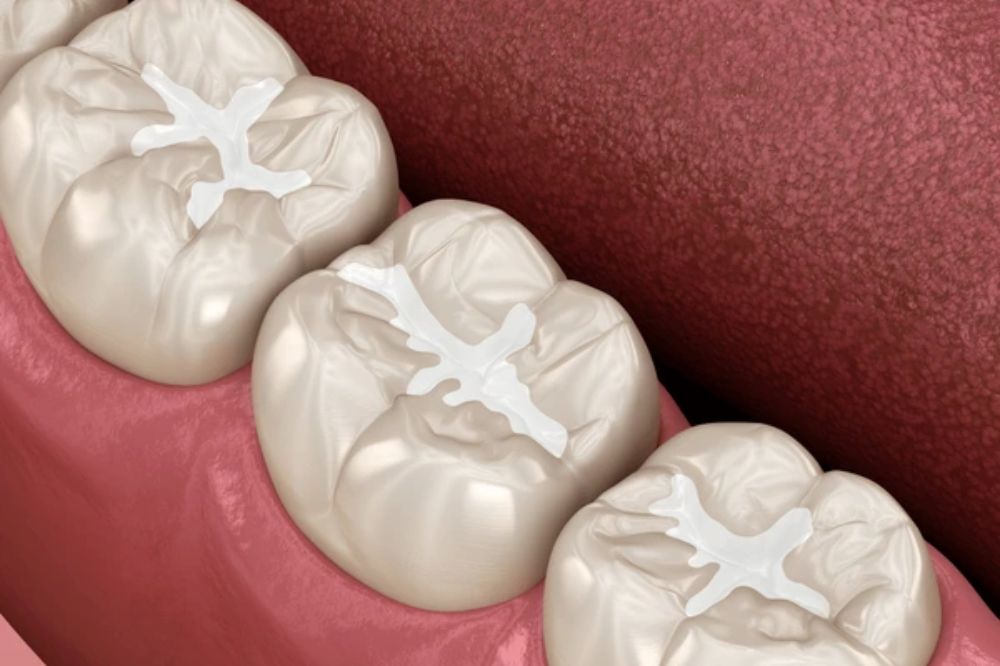
How can fillings prevent tooth decay from progressing any further? Tooth decay can start out small, but if left unattended, it can escalate to pain, infection or even tooth loss. Dental fillings in Downtown Calgary effectively treat early cavities and protect the tooth from further damage. Fillings fix weak areas and support the structure of your tooth. The role of dental fillings is essential for your knowledge so that you can take timely action to avoid serious issues later.
What is Tooth Decay and Why Does it Spread?
Tooth Decay Treatment focuses on stopping damage caused by bacteria in the mouth. When plaque builds up, it produces acids that slowly wear away the tooth’s outer layer. Once a cavity forms, decay can spread deeper into the tooth if not treated.
Common causes of tooth decay include:
- Poor brushing and flossing habits
- Frequent sugary or acidic foods
- Dry mouth
- Skipping regular dental checkups
Fillings help by removing the decayed area and sealing the tooth so bacteria cannot return to that spot.
How Dental Fillings Stop Decay from Getting Worse
Dental fillings work by closing off the damaged part of the tooth. After the decay is cleaned out, the filling restores the tooth’s shape and strength. This stops bacteria from entering the tooth again and causing more harm.
Key ways fillings help prevent further decay:
- Seal cavities and block bacteria.
- Restore chewing strength
- Protect the inner layers of the tooth.
- Reduce sensitivity to hot and cold.
A dentist in Downtown Calgary can identify early cavities and treat them before they lead to more serious dental issues.
When Are Dental Fillings Needed?
Dental fillings are usually recommended when a cavity is found during an exam or X-ray. Some cavities do not cause pain right away, which is why regular checkups matter.
You may need a filling if you notice:
- Tooth sensitivity
- Mild toothache
- Dark spots or holes on teeth
- Food gets stuck often.
Seeing a dentist near you helps catch these signs early and prevents decay from spreading to nearby teeth.
Dental Filling Materials and How They Protect Teeth
There are different dental filling materials, and each one is designed to protect the tooth in a specific way. Your dentist will suggest a material based on the size and location of the cavity.
Common filling materials include:
- Composite (tooth-coloured) – Blends with natural teeth
- Amalgam (silver) – Strong and long-lasting
- Ceramic – Stain-resistant and durable
- Glass ionomer – Releases fluoride to help prevent decay
Each option helps restore the tooth while lowering the risk of future cavities.
What to Expect During a Dental Filling Procedure
Getting a filling is a simple and routine procedure. The dentist first numbs the area to keep you comfortable. The decayed part of the tooth is removed, cleaned, and filled with the chosen material.
The process usually includes:
- Numbing the tooth
- Removing decay
- Placing and shaping the filling
- Polishing for a smooth finish
This process supports long-term tooth decay treatment by stopping bacteria from spreading deeper into the tooth.
How Fillings Support Long-Term Oral Health
Dental fillings do more than fix cavities. They help maintain the balance of your bite and protect surrounding teeth from added stress. A damaged tooth can affect how you chew, which may lead to jaw discomfort or uneven wear.
Long-term benefits include:
- Preserved natural tooth structure
- Lower risk of infection
- Better chewing comfort
- Reduced need for future treatments
Fillings are a preventive step that supports overall oral health when done on time.
Simple Habits That Help Fillings Last Longer
After getting a filling, daily care is important. Good habits help prevent new cavities from forming around the filled tooth.
Helpful habits include:
- Brushing twice a day
- Flossing once daily
- Limiting sugary snacks
- Drinking water after meals
- Visiting a dentist for routine exams
These steps work together with fillings to keep your teeth healthy and decay-free.
Support Your Smile with Timely Care!
Prepared to prevent tooth decay from becoming a more severe problem? Fillings in dental treatments are used to protect your natural teeth, retain comfort, and ensure long-term health if treated early. If you are in doubt as to what is best for your smile and oral health, the team at 9th Avenue Dental is here to help you understand your needs and get you on the right track for a bright and healthy smile.
FAQs
Can fillings stop cavities completely?
Yes, a filling will remove the decayed area and seal the tooth. It stops the bacteria from causing any more damage there.
How long do dental fillings actually last?
Most fillings last for many years. The lifespan may depend on the material used and your upkeep of the tooth.
Will fillings prevent new cavities?
While fillings can help protect treated areas, cavities can still form in other teeth if good oral hygiene isn’t practiced.
Does having a tooth filling hurt?
During the procedure, one feels comfortable. Numbing the area will lessen discomfort.