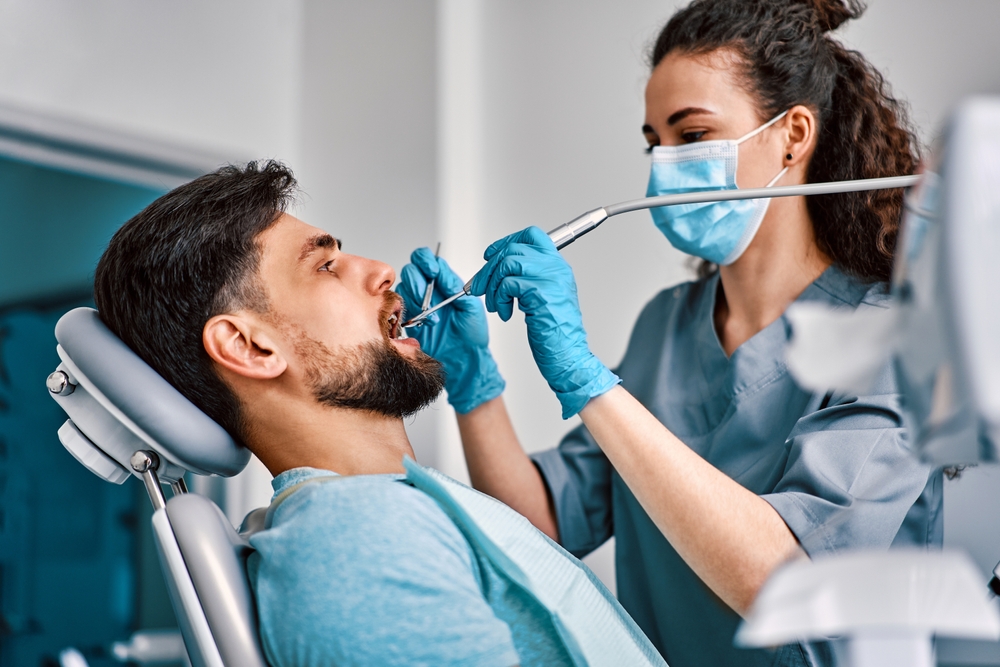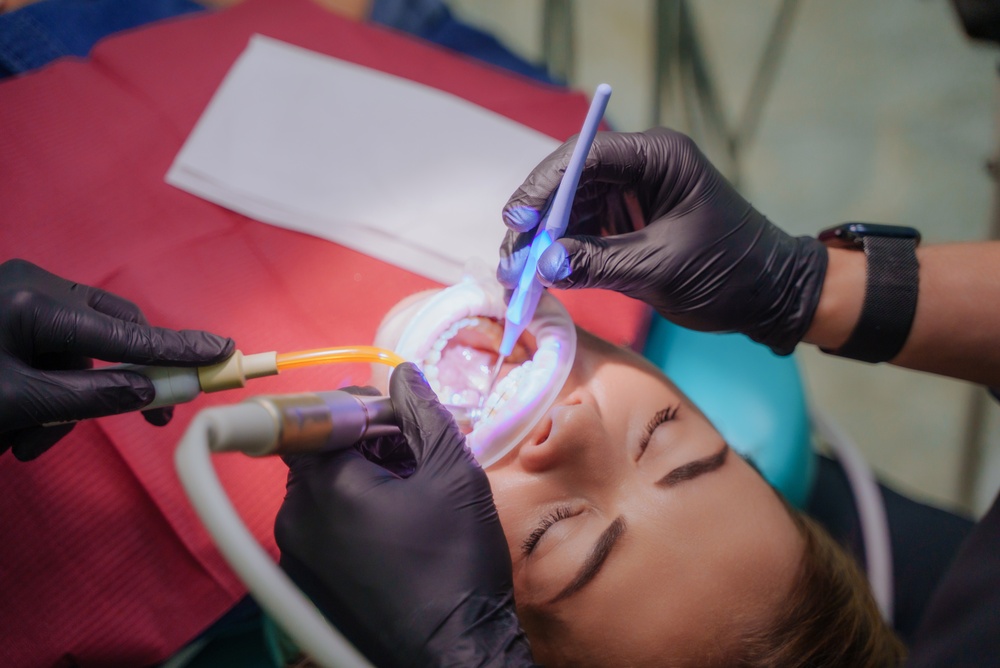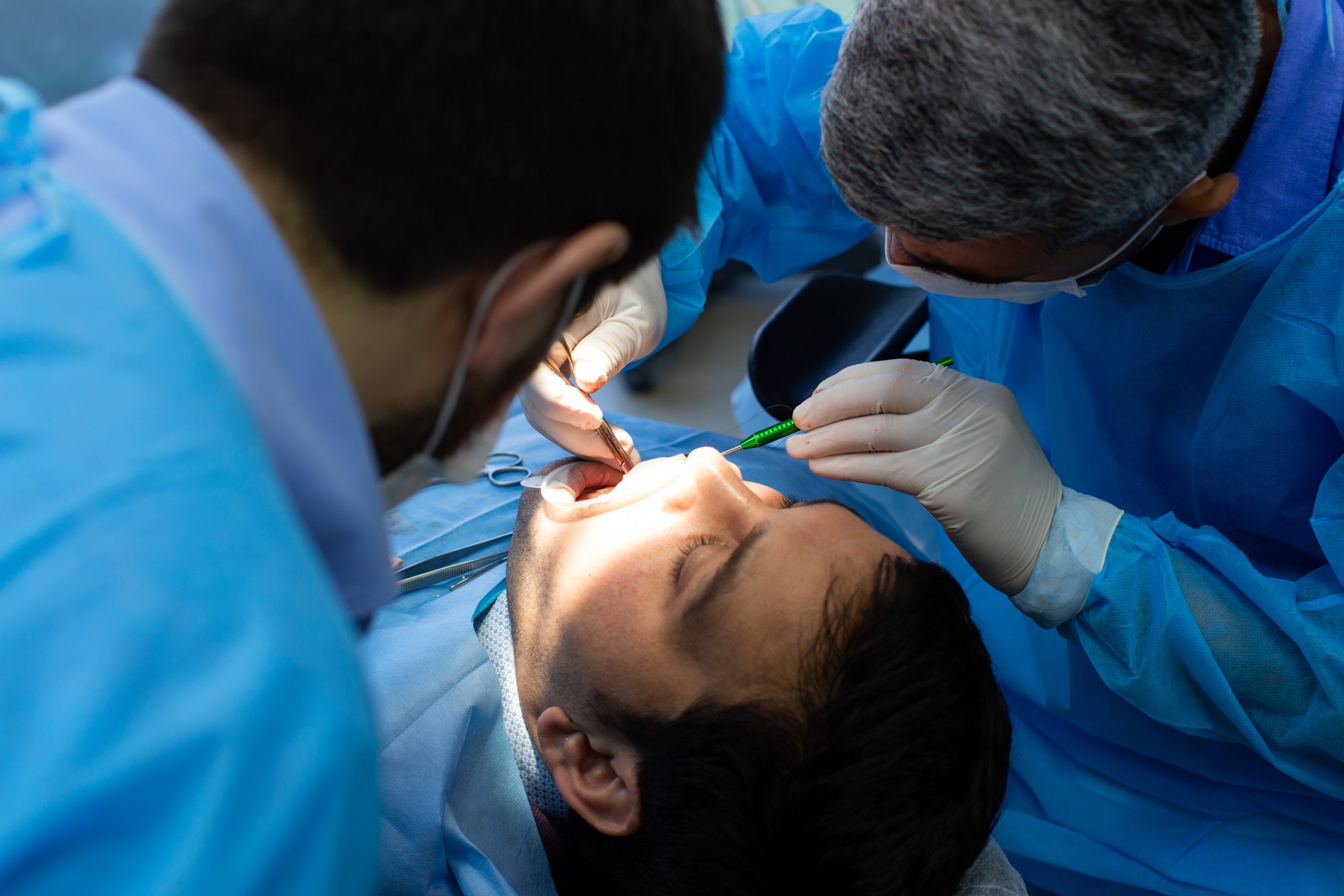
Worried about how oral surgery might feel? This is one of the most common concerns before any procedure involving the teeth, gums, or jaw. Many patients searching for oral surgery in Downtown Calgary mainly want clear information about comfort during treatment and what recovery is like afterward. The good news is that modern oral surgery is designed to keep patients as comfortable as possible during treatment, with careful steps taken to manage pain and support healing.
Is Oral Surgery Painful During the Procedure?
During oral surgery, pain is usually not felt because the area is fully numbed before treatment begins. Your dentist near you uses local anesthesia to help block pain signals so the procedure can be done comfortably.
What patients may feel instead:
- Gentle pressure in the mouth
- Movement around the tooth or gum area
- Slight pushing sensation
- No sharp pain during treatment in most cases
For patients who feel anxious, additional calming options may also be discussed before the procedure.
What Happens After Oral Surgery?
After the procedure, the numb feeling slowly goes away. At this time, mild discomfort is normal as your body begins to heal.
Common after-effects include:
- Mild swelling around the treated area
- Soreness in the jaw or gums
- Slight bleeding for a short time
- Sensitivity while chewing
These effects are part of the natural healing process after oral surgery done by a dentist in Downtown Calgary and usually improve over a few days.
Understanding Wisdom Tooth Removal Recovery
One of the most common oral surgery procedures is wisdom tooth removal. Healing time can vary from person to person, depending on the complexity of the procedure.
Typical recovery stages:
- First 24 hours: rest and some mild swelling
- 2–3 days: soreness may feel worse
- 4–5 days: pain and discomfort start to get better
- 1 week: most people feel much better, and healing is well underway
Following aftercare instructions carefully can help make recovery after wisdom tooth removal smoother.
How the Oral Surgery Healing Process Works
The oral surgery healing process happens in stages, and each stage is important for proper recovery.
Healing stages include:
- Blood clot formation at the surgical site
- Reduction of swelling over a few days
- Tissue repair and gum healing
- Gradual return to normal eating habits
Healing speed can depend on oral hygiene, diet, and adherence to aftercare instructions.
How Pain is Managed After Oral Surgery
Pain after oral surgery is usually temporary and can be managed with simple care steps.
Common pain management methods:
- Prescribed or recommended pain relief medication
- A cold compress is applied to the cheek.
- Soft food diet for a few days
- Rest and limited physical activity
- Keeping the mouth clean as advised
These steps help reduce discomfort and support recovery.
What Affects Recovery Time?
Not everyone heals at the same speed. Several factors can influence recovery after oral surgery.
Key factors include.
- Classification of the surgery done.
- Location of the tooth or area treated.
- General condition of oral health.
- Take Aftercare Instructions
- Individuals heal differently.
Simple procedures tend to heal more quickly than complex surgeries.
Simple Care Tips for Smoother Healing
Taking care of the mouth after dental surgery can prevent complications and reduce pain.
Helpful care tips.
- Soft foods are best, like yogurt and soup.
- Do not use straws for a few days.
- Keep the mouth clean gently.
- Avoid smoking or alcohol during healing.
- Follow all post-treatment instructions.
These small steps can make recovery more comfortable and steady.
A Smooth Recovery Starts With the Right Care!
Your oral surgery might stress you out at first, while recovery is usually steady and not too taxing. Using the aftercare advice and allowing your body to heal will make the process easier and more predictable. Reach out to 9th Avenue Dental today to book an appointment for safe and gentle oral care.
FAQs
Does oral surgery hurt during the procedure?
No. The area is numbed with local anesthesia, so you usually do not feel sharp pain. You may only feel some pressure or movement during the treatment.
How long does pain last after oral surgery?
Mild discomfort can last for a few days after the procedure. It gradually reduces as the healing process continues and the tissues recover.
What helps recovery after wisdom tooth removal?
Eating soft foods, resting, using a cold compress, and following aftercare instructions carefully can help you heal more comfortably and smoothly.
Is swelling normal after oral surgery?
Yes, a little swelling after oral surgery is normal. It usually improves in a few days as your body heals.